India's New Logistics Authority: What It Could Mean for Exporters and Supply Chain Costs
India's logistics sector is entering a new phase of infrastructure planning. On October 6, 2026, the Union Cabinet approved the establishment of the Integrated Transport & Logistics Authority (ITLA) to strengthen coordination, research, planning and monitoring across India's transport and logistics ecosystem.
The proposed authority is expected to support better integration across roads, railways, ports, shipping, aviation, inland waterways and urban mobility. It will also contribute to long-term transport planning and the assessment of major infrastructure projects. The initiative aims to improve infrastructure efficiency, strengthen multimodal connectivity and help reduce logistics costs over time.
For Indian exporters, importers, manufacturers and trading businesses, this development raises an important question: Could better-connected transport infrastructure make international shipping more efficient and predictable?
While the full impact will depend on implementation and the development of supporting infrastructure, businesses can start reviewing their logistics strategies now.
What Is India's New Integrated Transport & Logistics Authority?
The Integrated Transport & Logistics Authority is a proposed institutional framework approved by the Union Cabinet to improve coordination across India's transport-related ministries and agencies.
Historically, transport infrastructure projects have involved multiple agencies responsible for different modes of transport. Coordinating these systems is important because international cargo often moves through several stages — from a factory or warehouse to a road or rail network, then to a port or airport, and finally to its overseas destination.
According to the government's announcement, ITLA is expected to support:
- Long-term transport and logistics planning.
- Better coordination between different transport modes.
- Technical appraisal and monitoring of infrastructure projects costing ₹500 crore or more.
- Transport data integration and analytics.
- Research, policy support and evaluation of infrastructure performance.
The authority is intended to strengthen the planning and development of transport infrastructure. It should not be interpreted as a guarantee of immediate reductions in freight rates, customs clearance times or port congestion.
How Could ITLA Affect India's Export and Import Businesses?
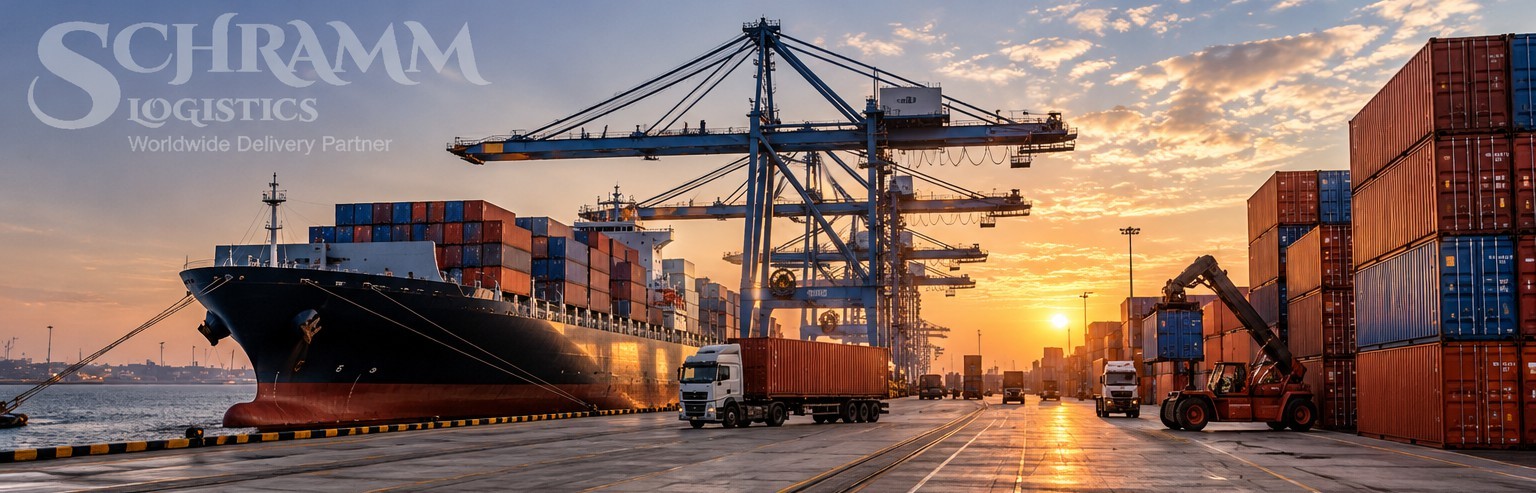
Better Multimodal Connectivity Could Improve Cargo Movement
International shipments rarely depend on a single transport mode. Export cargo may travel by road from a manufacturing facility to a container terminal before being shipped overseas. Import cargo may move from a port to a warehouse or factory using road and rail networks.
If infrastructure planning becomes better coordinated, businesses could eventually benefit from more efficient connections between factories, warehouses, freight corridors, ports and airports.
For exporters, improved connectivity could help simplify cargo movement and support more predictable shipment planning. Importers may also benefit from better coordination between port evacuation, inland transportation and storage.
Businesses should continue to evaluate available routes, transit times and carrier schedules rather than assuming that the new authority will immediately change existing shipping arrangements.
Logistics Costs May Depend on More Than Freight Rates
When businesses calculate shipping expenses, the freight quotation is only one part of the overall cost.
The total logistics expense may also include:
- Inland transportation from the factory to the port.
- Cargo handling and terminal charges.
- Warehousing and storage.
- Customs clearance and documentation.
- Container detention or demurrage, where applicable.
- Delays caused by incomplete paperwork or shipment coordination.
Better transport infrastructure could help address some underlying inefficiencies over time. However, businesses can also take practical steps to manage costs today.
For example, exporters can compare routing options, plan dispatch schedules carefully, prepare documentation in advance and coordinate cargo readiness with their freight forwarder.
The objective should be to evaluate the total landed or delivered cost of a shipment, rather than choosing a logistics provider based on the freight rate alone.
Small and Medium Exporters Could Benefit From Better Shipment Planning
Smaller manufacturers, traders and exporters often face different logistics challenges from businesses shipping large volumes regularly.
They may receive orders in smaller quantities, source goods from multiple suppliers or need to coordinate shipments with different delivery deadlines. Poor planning can increase handling costs, create storage requirements or lead to missed schedules.
Improved infrastructure connectivity may create more opportunities for efficient cargo movement as the system develops. In the meantime, smaller exporters should evaluate the most suitable combination of transport, shipment frequency and cargo handling for their requirements.
A freight forwarder can help assess available shipping options, coordinate documentation and plan cargo movement based on shipment size, destination and delivery requirements.
Better Transport Data Could Support More Informed Decisions
The government has also outlined plans for a National Transport Data Repository integrating information from systems such as GSTN e-way bills, FASTag, VAHAN and GPS-based sources.
Better transport data could support freight-flow analysis, infrastructure planning and the monitoring of transport projects.
For businesses, the broader opportunity is to make logistics decisions using better information. Reviewing shipment history, identifying recurring delays, comparing transport routes and understanding storage requirements can help companies improve supply chain planning.
However, the proposed data repository should not be confused with a guarantee of real-time shipment tracking for every exporter or importer.
What Should Exporters and Importers Do Now?
Businesses do not need to wait for new infrastructure projects to be completed before improving their logistics operations. Here are five practical steps to consider.
Review your current shipping routes
Identify the transportation stages involved in moving goods from your premises to the port, airport or final destination. Assess whether alternative routes are operationally suitable.
Compare total shipment costs
Look beyond the quoted freight rate and consider inland transport, handling, storage, documentation and potential delay-related expenses.
Improve documentation readiness
Ensure commercial invoices, packing lists, shipping instructions and other required documents are accurate and available before cargo dispatch. Additional documents may apply depending on the product and destination.
Plan warehouse and dispatch schedules
Coordinate production completion, cargo readiness, transportation and shipping schedules to reduce avoidable storage and handling requirements.
Work with a logistics partner that understands your requirements
A freight forwarder can help coordinate transportation, customs clearance and warehousing while keeping the shipment's requirements and delivery timelines in view.
These measures can help businesses improve their existing operations while India's wider transport infrastructure continues to develop.
How Schramm Logistics Can Support Your Supply Chain
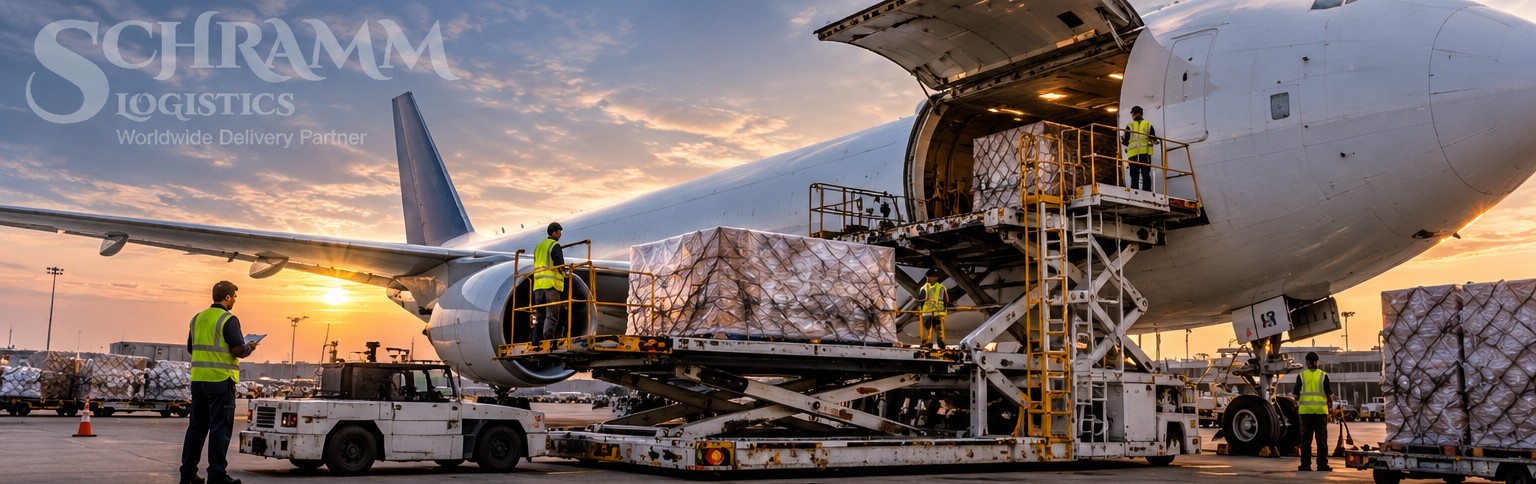
Infrastructure improvements are important, but businesses also need effective coordination at the shipment level.
Schramm Logistics provides logistics support for businesses involved in domestic and international trade, including freight forwarding, customs clearance, warehousing and export-import documentation assistance.
Our services can help businesses coordinate different stages of cargo movement and manage their logistics requirements through a single point of contact. Depending on your shipment requirements, our support includes:
- Air freight — For shipments where transit time and delivery requirements are important.
- Ocean freight — For international cargo requiring sea transportation.
- Customs clearance — Assistance with applicable import and export documentation and clearance procedures.
- Warehousing — Storage solutions to support inventory and distribution requirements.
- EXIM support — Assistance with export-import documentation and relevant registrations.
Whether you are a manufacturer expanding into international markets, an importer managing regular shipments or a trading company coordinating cargo from multiple suppliers, choosing the right logistics arrangement can make a meaningful difference to your operations.
Conclusion: Prepare Your Logistics Strategy for India's Next Phase of Connectivity
The approval of the Integrated Transport & Logistics Authority marks an important development in India's approach to transport and logistics planning. By encouraging coordination across transport modes and supporting long-term infrastructure development, the initiative aims to improve efficiency and strengthen India's logistics capabilities.
For exporters and importers, the benefits will depend on implementation, infrastructure development and the operational improvements that follow.
Businesses can prepare by reviewing their shipping routes, understanding their total logistics costs, improving documentation readiness and planning cargo movement more effectively.
Looking for a reliable logistics partner for your next shipment?
Connect with Schramm Logistics to discuss your freight forwarding, customs clearance, warehousing and EXIM requirements.
Website: www.schrammlogistics.com
Email: info@schrammlogistics.com