Freight, Fleet & Future: Blueprint for Vehicle & Container Shortage Crisis
India's manufacturing sector is experiencing growing opportunities across exports, infrastructure, engineering, automotive, pharmaceuticals, food processing, and other industries. But as production and trade volumes increase, manufacturers are facing a critical operational challenge: limited availability of transport vehicles and shipping containers.
Vehicle shortages, container imbalances, port congestion, fluctuating freight costs, and unpredictable shipment schedules can disrupt even a well-planned manufacturing operation. For businesses moving raw materials and finished goods, effective logistics planning is becoming essential — not just for cost control, but for maintaining production continuity and customer commitments.
Why Vehicle and Container Shortages Matter
Manufacturers depend on a steady flow of raw materials arriving at factories and finished products reaching distributors, ports, and customers. When trucks are unavailable or containers are difficult to secure, shipments can be delayed at multiple stages.
A shortage of vehicles can affect factory-to-warehouse and warehouse-to-port movement, while container availability directly impacts export schedules. Delays may lead to higher storage costs, missed vessel cut-offs, production bottlenecks, and pressure on delivery timelines.
This makes logistics more than a transportation function. It becomes an important part of manufacturing supply chain management.
Key Logistics Challenges for Indian Manufacturers
1. Limited Truck Availability
Peak seasons and regional demand can create temporary shortages of suitable commercial vehicles. Manufacturers transporting heavy, oversized, temperature-sensitive, or specialized cargo may face even greater difficulty finding the right vehicle at the right time.
Advance vehicle planning and relationships with reliable logistics partners can help reduce last-minute dependency.
2. Container Availability Imbalance
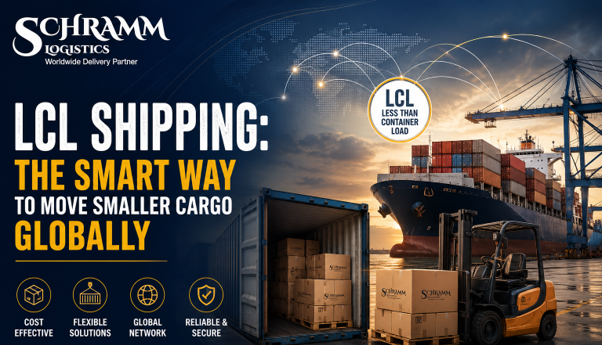
Exporters may find containers readily available in some locations but difficult to obtain in others. This imbalance can affect shipping schedules and increase transportation costs.
Manufacturers should therefore coordinate container planning with production schedules instead of waiting until cargo is ready for dispatch.
3. Port and Terminal Delays
For exporters using ports such as JNPT and Nhava Sheva, delays in documentation, customs processes, truck movement, or terminal operations can affect vessel cut-off timelines.
Efficient coordination between freight forwarding, customs clearance, transport, and warehouse teams can reduce unnecessary delays.
4. Rising Logistics Cost Pressure
When vehicle or container supply becomes tight, freight rates can increase. Manufacturers that depend entirely on spot bookings may experience unpredictable logistics expenses.
A structured logistics strategy can provide better cost visibility and allow businesses to plan shipments around demand and capacity.
How Manufacturers Can Improve Logistics Planning
Build a Multi-Modal Transportation Strategy
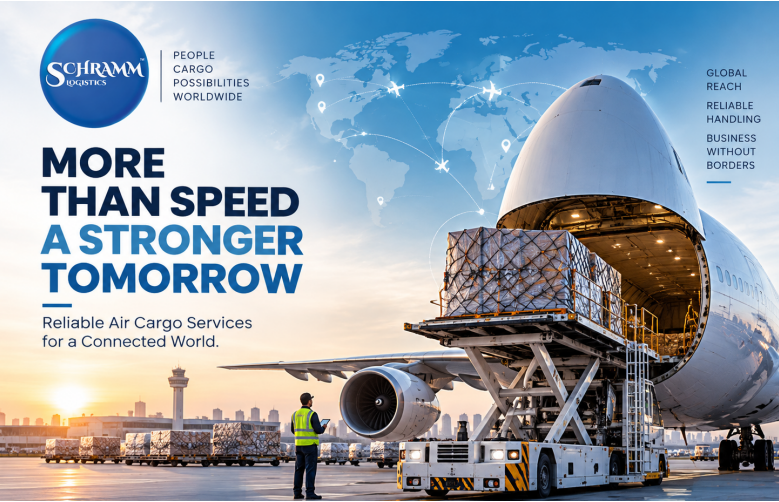
Manufacturers should avoid depending on a single transportation mode. Combining road, sea, and air freight according to urgency, cargo type, and destination can improve flexibility.
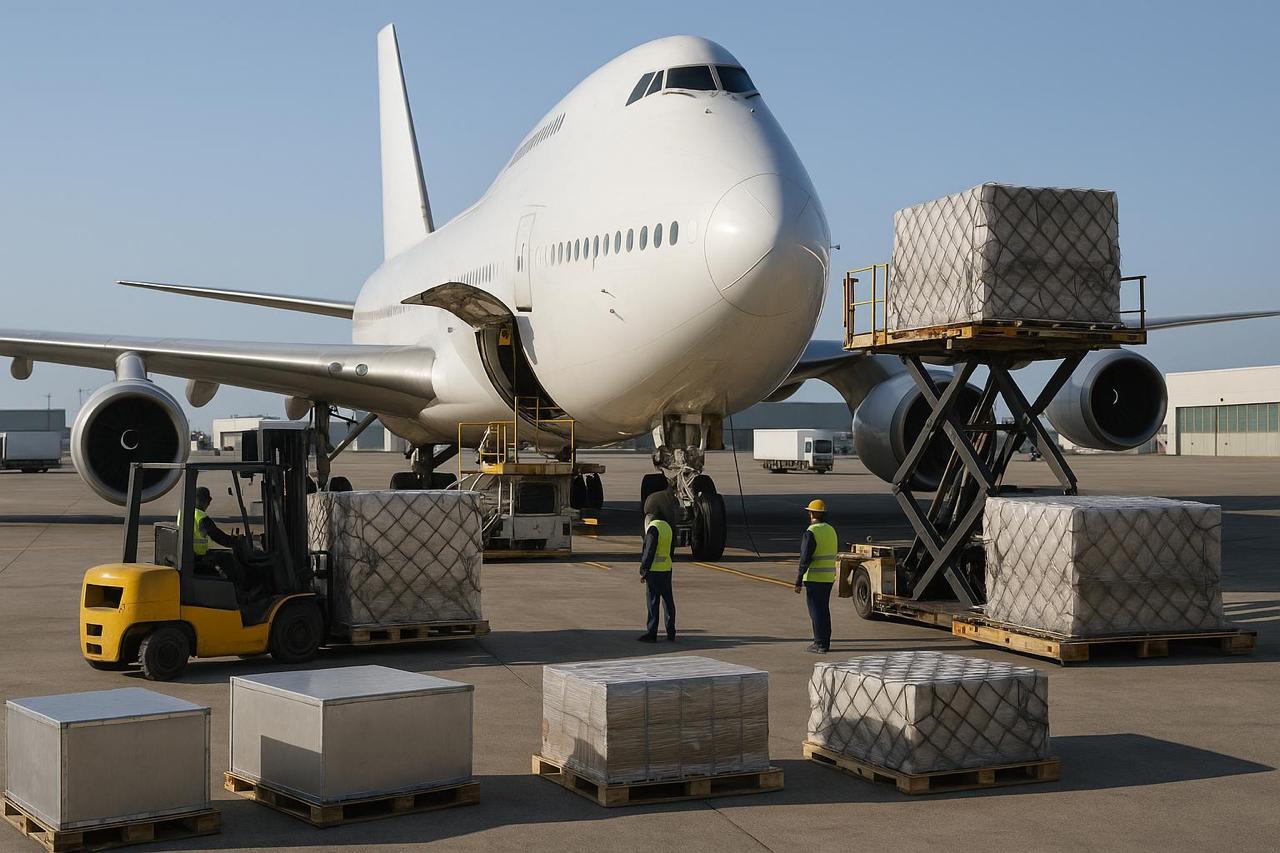
For example, sea freight can handle planned international shipments economically, while air freight can support urgent or time-sensitive cargo. Road transportation remains essential for factory-to-port and regional distribution.
Schramm Logistics provides integrated freight forwarding solutions covering air, sea, and road transportation.
Plan Container Requirements in Advance
Container planning should begin before production is completed. Businesses can forecast export volumes, coordinate with freight forwarders, and align container bookings with expected cargo readiness.
This reduces the risk of discovering a container shortage when goods are already waiting at the factory.
Strengthen Warehouse Planning
Warehousing can act as a buffer when transportation capacity is constrained. Instead of rushing cargo into a shipment immediately, manufacturers can use strategically located storage to manage inventory and shipment timing.
Schramm Logistics offers managed, temporary, hazardous, reefer, and SEZ warehousing solutions to support different manufacturing and EXIM requirements.
Improve Customs and Documentation Readiness
A shipment can lose valuable time even when a vehicle and container are available if documentation is incomplete.
Manufacturers should prepare Shipping Bills, Bills of Entry, HS codes, and other required documentation well in advance. Working with an experienced CHA and freight forwarding partner can help streamline customs clearance and reduce avoidable delays.
Use Technology for Shipment Visibility
Real-time tracking and digital logistics coordination can help manufacturers identify delays before they become major disruptions.
Better visibility enables businesses to monitor shipment status, inventory movement, vehicle schedules, and delivery timelines, allowing teams to respond faster when conditions change.
The Role of a Reliable Logistics Partner
In a challenging logistics environment, manufacturers need more than a transporter. They need a partner capable of coordinating multiple supply chain activities.
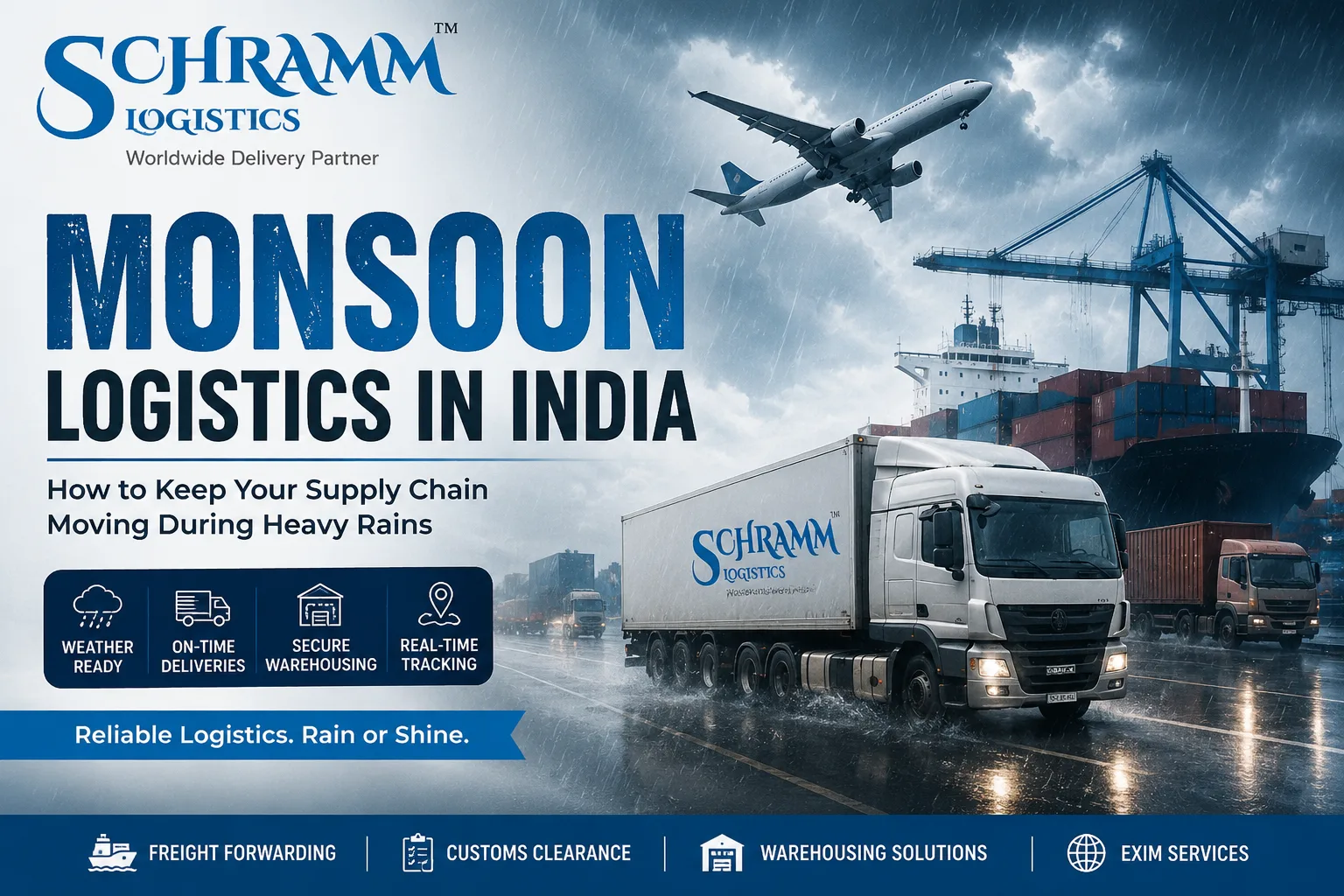
Schramm Logistics provides end-to-end logistics support for manufacturing businesses, including freight forwarding, customs clearance, warehousing, and EXIM support across India. Its services are designed to give manufacturers a single point of coordination for critical logistics requirements.
From factory movement to port handling and international shipping, integrated logistics management can help businesses reduce uncertainty and maintain smoother operations.
Preparing for a More Resilient Manufacturing Supply Chain
Vehicle and container shortages may not always be predictable, but their impact can be reduced through better planning. Manufacturers that forecast transportation requirements, diversify freight options, reserve capacity early, strengthen warehouse networks, and maintain documentation readiness can respond more effectively to supply chain disruptions.
Manufacturing growth and logistics planning need to move together. A reliable logistics strategy can help manufacturers protect production schedules, control transportation costs, improve delivery performance, and remain competitive in domestic and international markets.
For Indian manufacturers, the objective is not simply to move cargo from one location to another. It is to build a supply chain that remains flexible, visible, and prepared for changing logistics conditions.
Partner with Schramm Logistics
Looking for reliable logistics services for manufacturing companies? Partner with Schramm Logistics for freight forwarding, customs clearance, warehousing, and EXIM support.
Website: www.schrammlogistics.com
Email: info@schrammlogistics.com