Why a Freight Forwarder in India as a Logistics Partner Matters for Every Exporter and Importer – Part I
Freight Forwarder in India
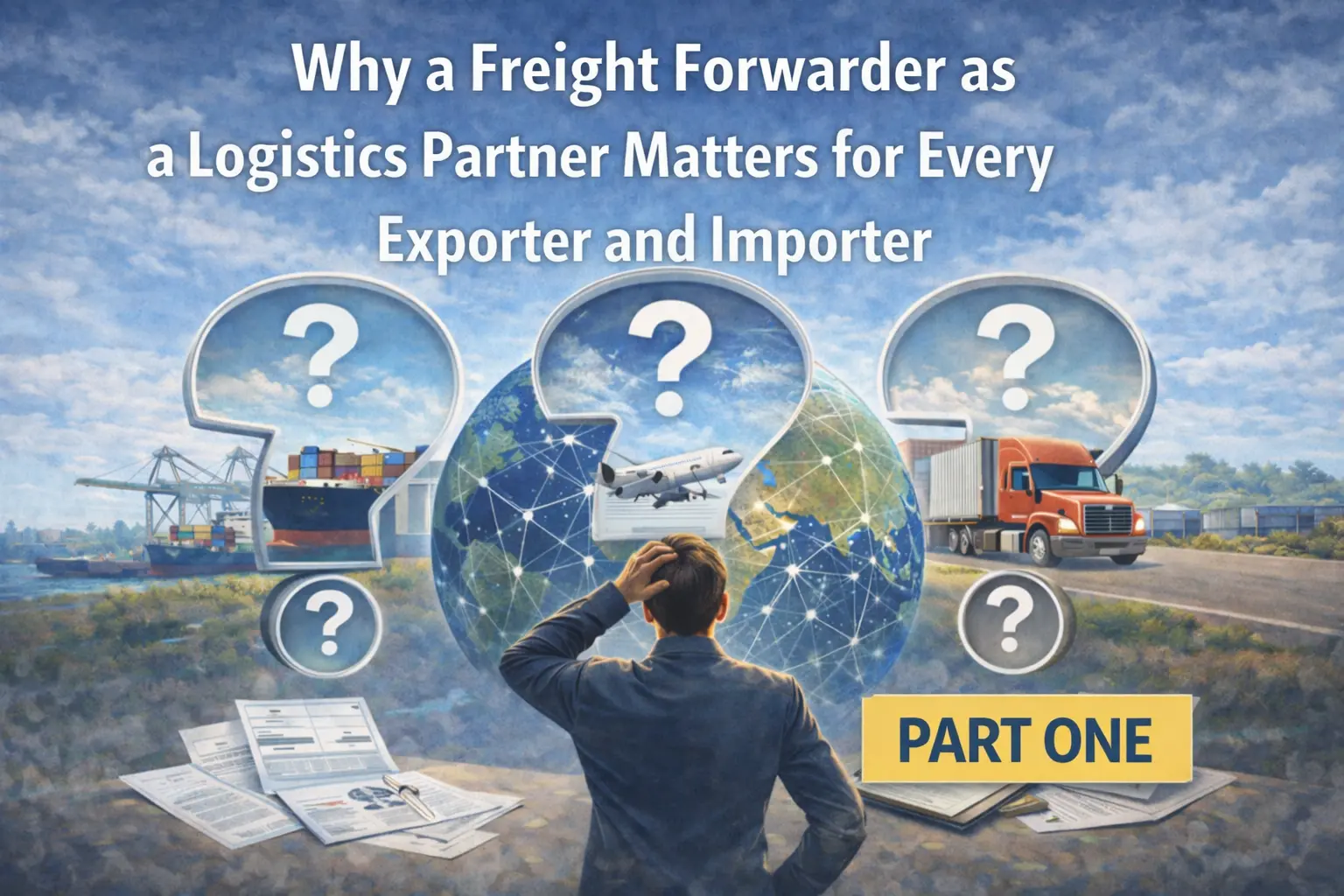
Shipping industrial goods across borders can feel like moving a factory through a keyhole. One late document, one missed port cut-off, or one poorly packed crate can ripple into downtime, penalty fees, and angry customers.
A freight forwarder acts as the organizer of the whole move. They line up carriers, book space, manage handoffs at ports and terminals, and keep paperwork flowing across borders. For manufacturers shipping parts, assemblies, and heavy equipment, that coordination is often the difference between a controlled shipment and a costly scramble.
Many firms still choose based on the lowest quote. That usually looks smart until delays, damage, or compliance issues show up. If you source or sell through India, for example, working with a Freight Forwarder in India can also mean fewer surprises around port processes and export documentation. This article breaks down what forwarders really do, where money leaks happen, and how to pick a partner you can trust.
What a Freight Forwarder Really Does, Beyond Booking a Container
For industrial shippers, freight is rarely “just a container.” It might be a CNC machine headed to a new plant, a box of serialized spares that can’t be lost, or an urgent replacement motor needed to restart a production line. A forwarder’s value sits in the planning and control around those details, not only in the booking.
A strong forwarder thinks in timelines, risks, and constraints. They ask the questions that prevent problems: What’s the cargo’s real weight and dimensions after crating? Does it need special handling? Can the destination receive a truck with a container chassis? Are there holiday closures at the port? Those questions sound basic, but they’re where shipments either stay on track or go sideways.
One Point of Control Across Carriers, Ports, and Paperwork
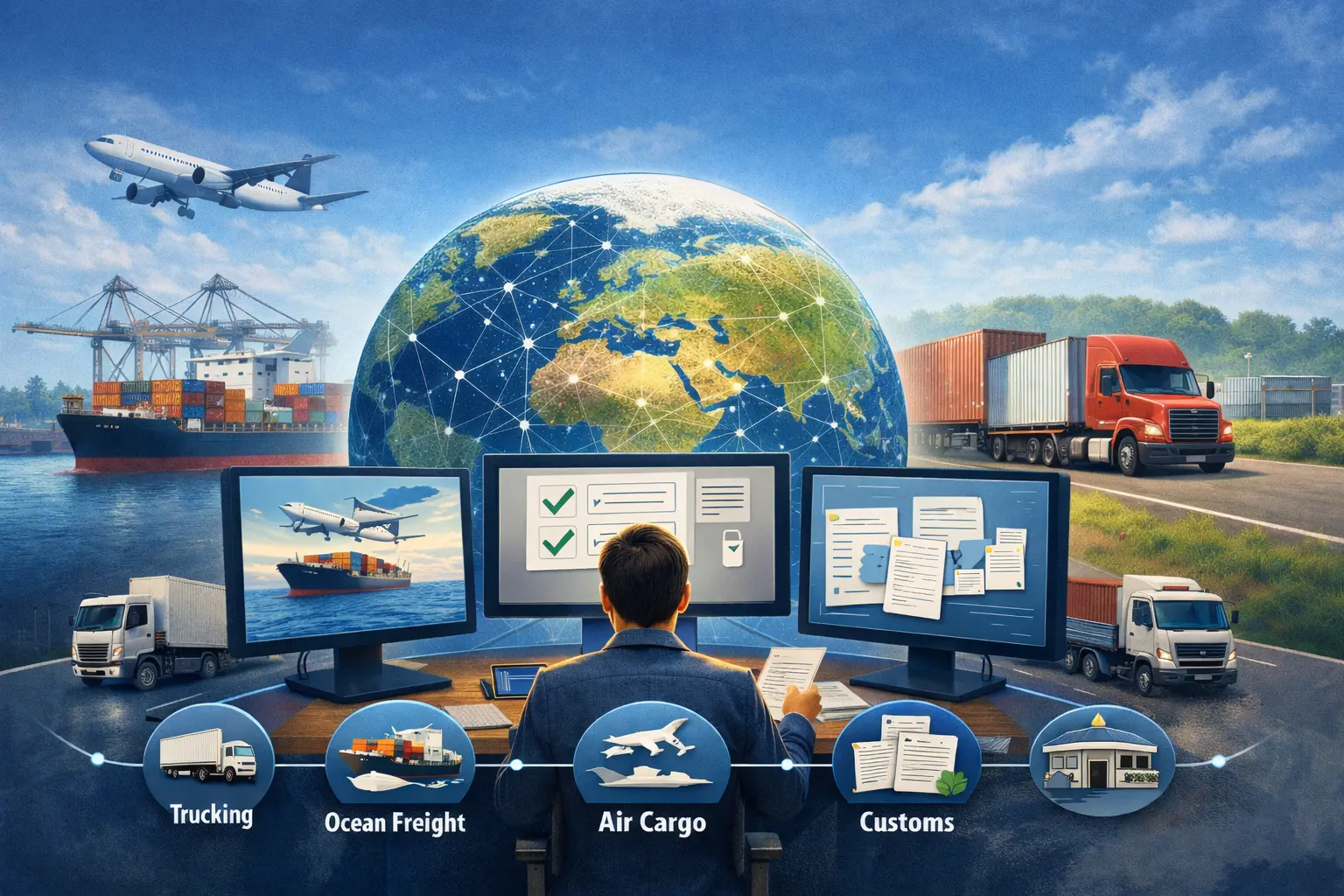
International shipping has many moving parts: trucking to port, terminal gates, ocean or air carriers, transhipment hubs, customs, and final delivery. Each handoff is a chance for missed instructions or missing documents.
A freight forwarder reduces that friction by acting as a single control point. They coordinate routing options and carrier selection, confirm sailing schedules and cargo cut-offs, and watch for transhipment risk when cargo changes vessels.
They also keep documentation aligned, so the cargo and the paperwork arrive together. That includes the commercial invoice, packing list, bill of lading or air waybill, and certificates when needed (such as country-of-origin documents for certain buyers). Fewer handoffs and clearer ownership means fewer “we thought someone else was doing that” moments.
A Forwarder Helps You Choose the Right Mode and Service Level
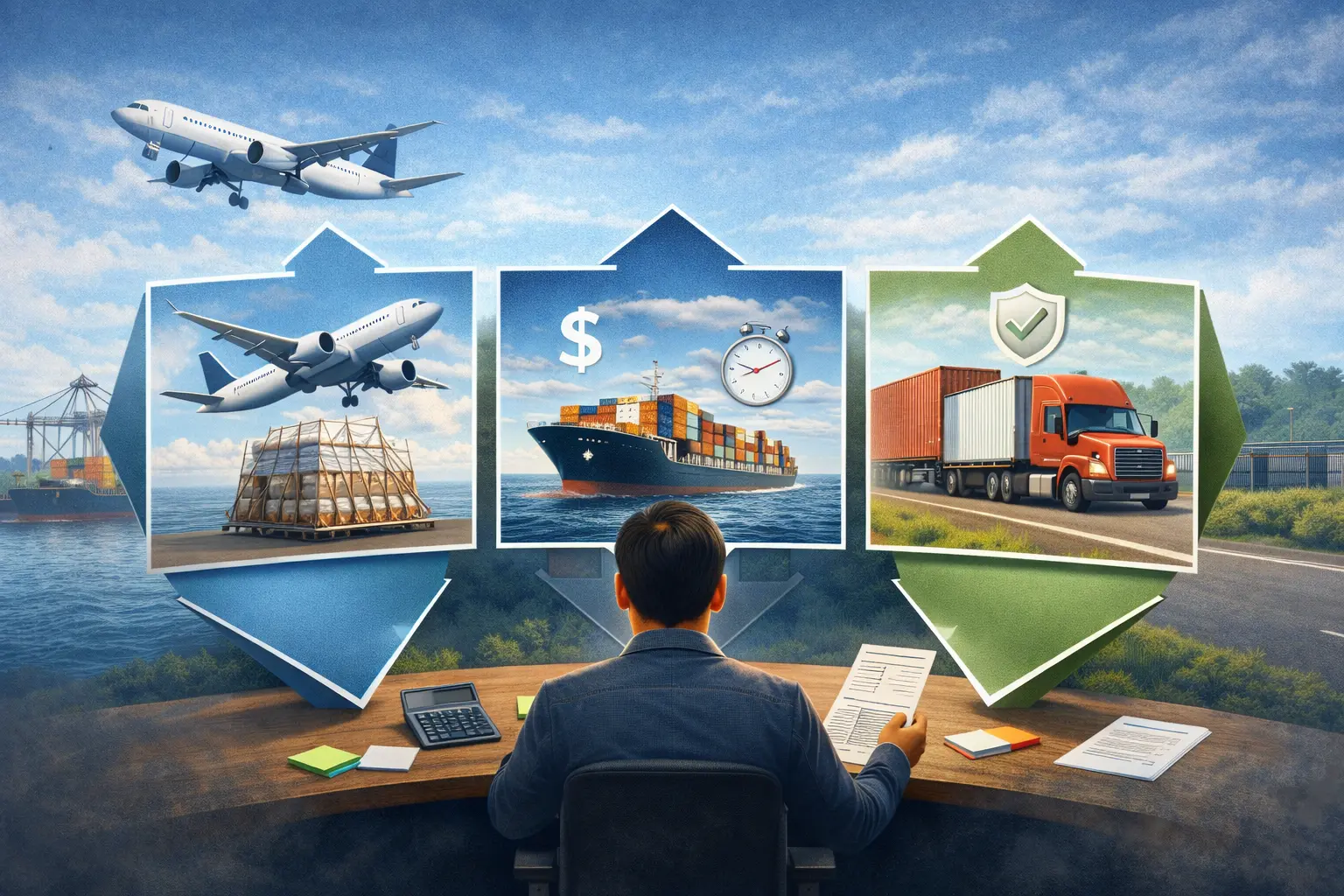
Industrial shippers usually balance three pressures: delivery date, total landed cost, and cargo protection. The right choice depends on what matters most for that shipment.
With ocean freight, the decisions often start with FCL vs LCL. Full container load (FCL) can reduce handling and lower damage risk for fragile machinery parts. Less-than-container load (LCL) can make sense for smaller volumes, but it adds consolidation steps and sometimes longer dwell time.
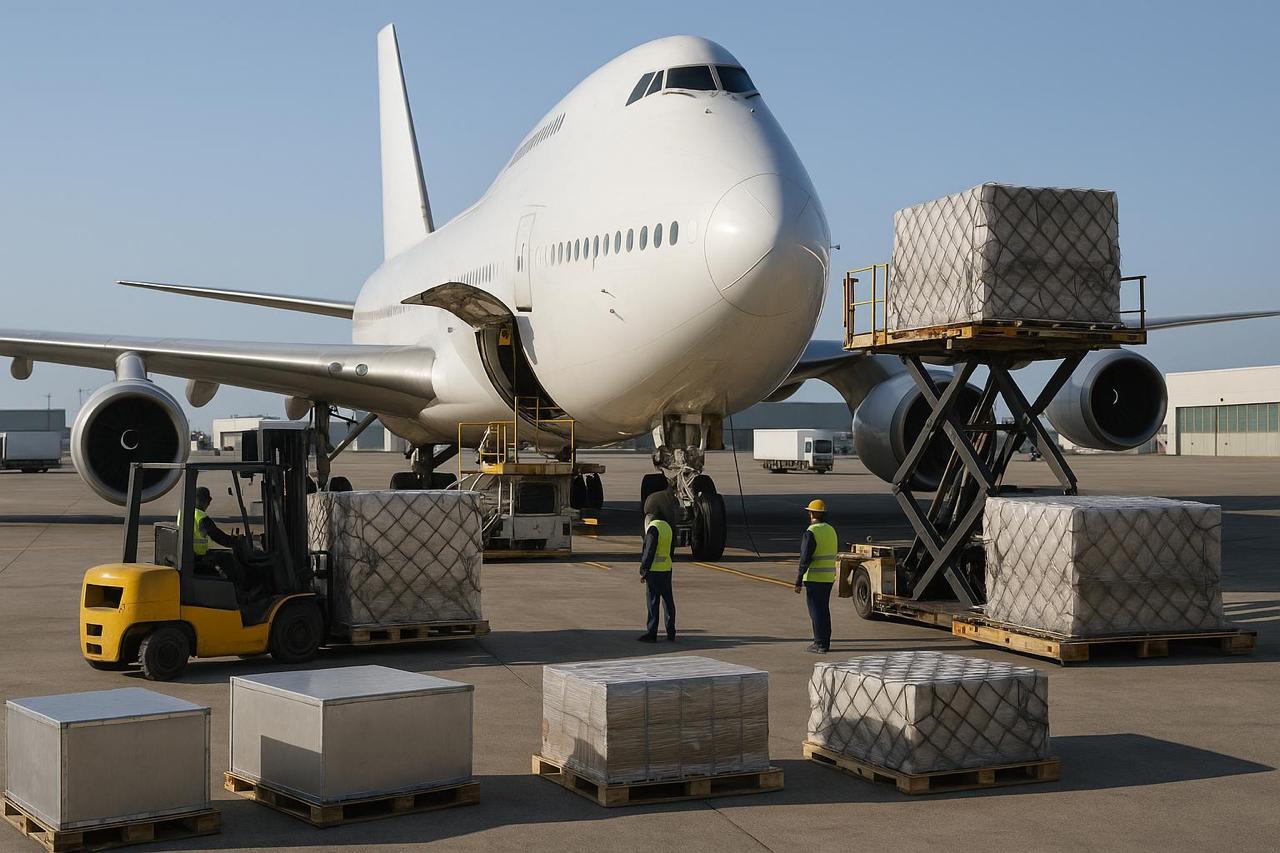
Air Freight can rescue a shutdown situation, but it comes with strict size and weight limits, and higher cost. Expedited services can shorten transit, yet they also demand tighter cut-offs and faster document turnaround.
If ocean shipping is the best fit, it helps to work with a partner that offers clear options, space planning, and carrier coordination, such as these Ocean Freight Services in India. The goal isn’t to always choose the fastest route, it’s to choose the route you can actually execute without surprises.
Learn more about: Ocean Freight Services and Air Freight Services
Why Exporters and Importers Lose Money Without a Logistics Partner They Can Rely On
When a shipment goes wrong, the invoice rarely shows the full cost. The bigger hit often hides in production delays, missed site windows, and customer trust that takes months to rebuild.
A forwarder doesn’t remove every risk, but they reduce avoidable errors by putting process around the shipment. They spot weak points early, confirm responsibilities, and push for decisions before a small issue becomes an expensive one.
Conclusion
International shipping is not just about moving cargo from one port to another. It is about coordination, visibility, and risk control across multiple touchpoints. A reliable Freight Forwarder in India plays a critical role in bringing structure to that complexity — aligning carriers, documentation, timelines, and responsibilities into one controlled execution plan.
For exporters and importers handling industrial cargo, the right logistics partner can mean the difference between predictable delivery and costly disruption.
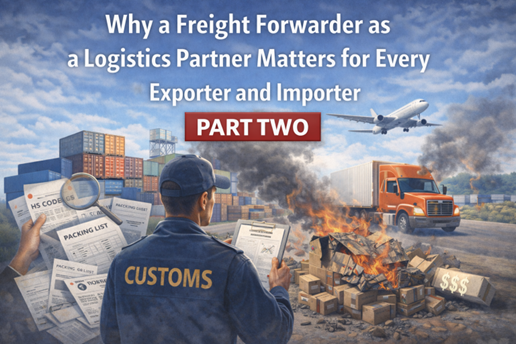
In Part II of this blog series we will explore the hidden financial risks in global shipping — including customs mistakes, cargo damage, compliance issues, and how to evaluate a freight forwarding partner before your next shipment.
Stay tuned for the next part...